PER AEVUM PRESENTS

ASHBORN

The Last Age of Giants

From fragile hatchling to scarred elder, survive a living Cretaceous world where biology, ecology, and instinct determine who endures.

Not Just Another Dinosaur Game

Ashborn places you in the Late Cretaceous, where every heartbeat is a gamble against hunger, predators, and nature itself. Herds migrate, predators stalk, storms reshape the land, and volcanoes blacken the skies.

Every choice carries weight in a world that never stops evolving. With scientifically accurate physiology, authentic predator-prey dynamics, and a fully persistent ecosystem, Ashborn is about enduring as life did, 66 million years ago. This is survival grounded in paleobiology, not fantasy.

A World That Lives and Breathes

Every system interconnects to create a living simulation where survival is earned, never given.

Living Ecosystem

268 km² Dynamic World

A vast world modeled on Maastrichtian paleogeography with complete food webs. Predators regulate prey, herbivores shape vegetation, and decomposers recycle every carcass. The ecosystem is a continuous cycle of dependency.
Life Cycle Progression

Hatchling to Elder

Begin as a fragile hatchling and grow through juvenile, sub-adult, adult, and elder stages. Nutrition quality shapes growth trajectory. Malnutrition causes permanent deformities. Every stage alters your physiology and survival strategy.

Biomechanical Combat

Physics-Driven, No Health Bars

Combat is driven by momentum, musculature, and body orientation. Horn thrusts pierce vital organs, tail sweeps topple attackers, and every wound leaves permanent scars. Fractures, lacerations, and infections persist for life.

Persistence & Legacy

Scars, Lineage, Generations

Wounds leave lasting scars. Injuries evolve into chronic conditions. Offspring inherit genetic and adaptive traits from parents. Your lineage carries both triumphs and failings across generations.

Sensory Ecology

Diegetic Perception Systems

No health bars or minimaps. Perception is species-specific: raptors stalk by scent, ceratopsids scan with panoramic vision, and aquatic reptiles sense vibrations. Weather and terrain shift sensory priorities dynamically.

Ecosystem Director AI

Adaptive, Evolving World

A macro AI tracks live metrics across the world, modulating predator aggression, herd cohesion, migration urgency, and hazard pacing. NPCs learn from failed hunts and adapt strategies over time. The world grows smarter.

Choose Your Lineage

36 species across land, sea, and sky. Select a diet category to explore the full roster.

36 Total Species
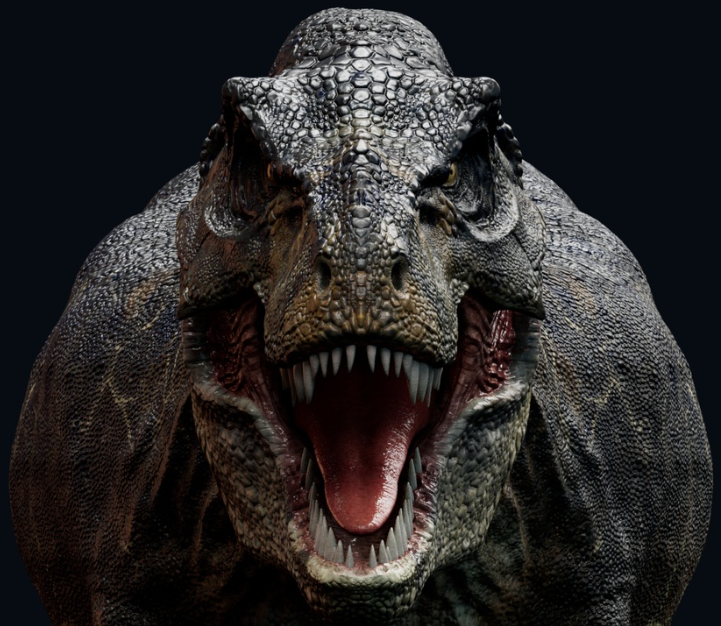
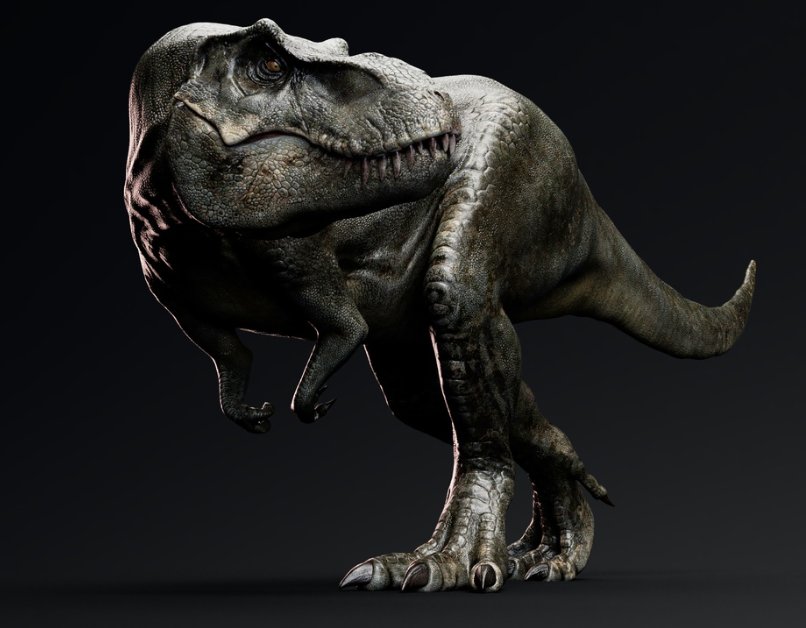
  • Tyrannosaurus Sue
    Classification
    Theropoda · Tyrannosauridae
    Temporal Range
    Late Cretaceous (68–66 Ma)
    Length
    ~12.3 m (40 ft)
    Weight
    ~8.4 tonnes
    Habitat
    Floodplains, forests

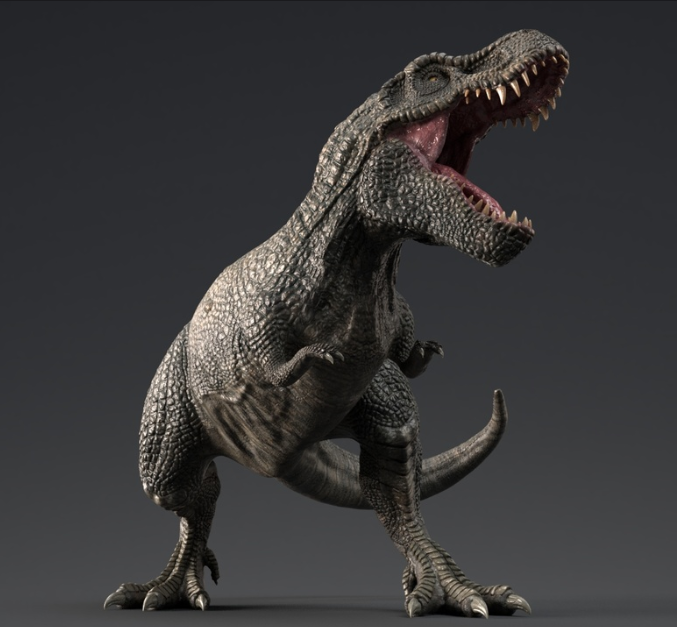
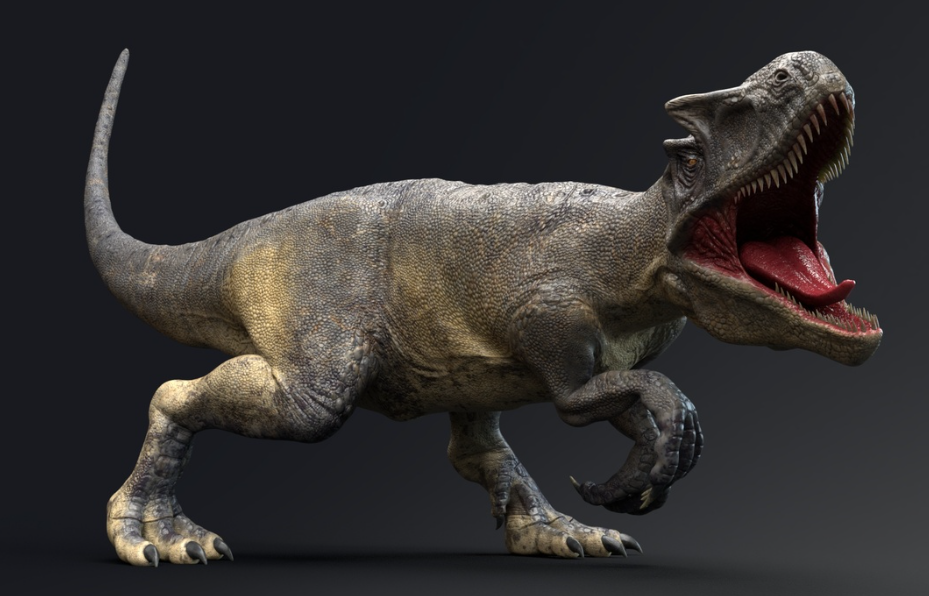
    Named after the most complete T. rex fossil ever found. Sue represents a robust morph with massively reinforced skull bones capable of delivering bone-crushing bites exceeding 12,800 pounds of force. Her heavily scarred skeleton suggests a life of violent confrontation.

  • Tyrannosaurus Stan
    Classification
    Theropoda · Tyrannosauridae
    Temporal Range
    Late Cretaceous (68–66 Ma)
    Length
    ~11.7 m (38 ft)
    Weight
    ~7.0 tonnes
    Habitat
    Floodplains, open woodlands

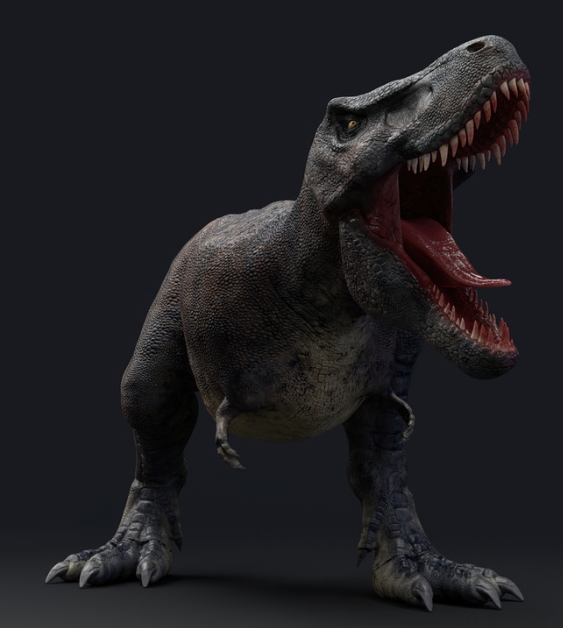
    A gracile morph T. rex representing a leaner, potentially faster variant. Stan's skull shows evidence of healed puncture wounds from another tyrannosaur, indicating territorial combat. Binocular vision and enhanced olfactory bulbs made it a devastating pursuit predator.

  • Tyrannus Magnus
    Classification
    Theropoda · Tyrannosauridae
    Temporal Range
    Late Cretaceous (68–66 Ma)
    Length
    ~13.0 m (43 ft)
    Weight
    ~9.5 tonnes
    Habitat
    Inland territories

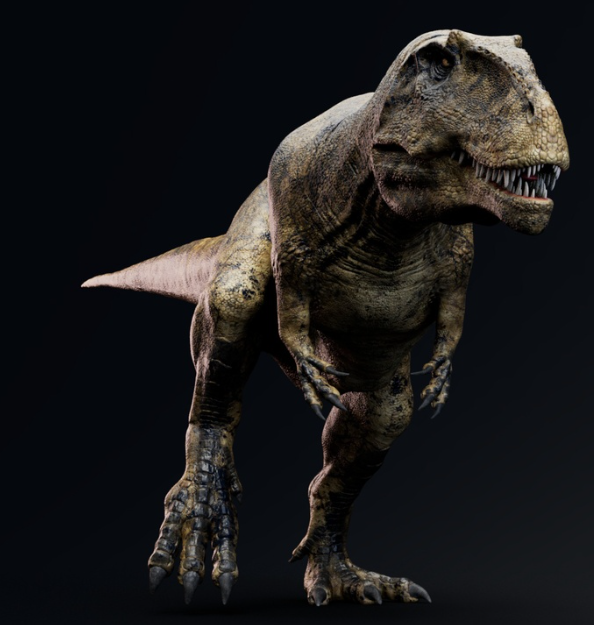
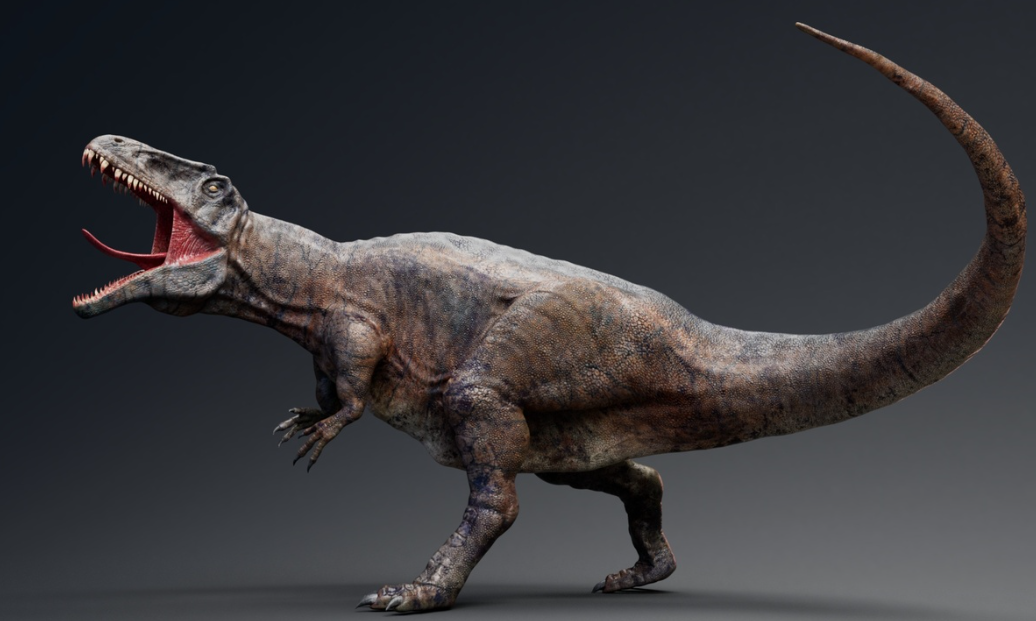
    The proposed largest tyrannosaur species, representing the apex of tyrannosaurid evolution. Possessing two prominent incisiform teeth in the premaxilla and the most robust femur of any theropod, this animal dominated the apex predator niche across Laramidia.

  • Tarbosaurus
    Classification
    Theropoda · Tyrannosauridae
    Temporal Range
    Late Cretaceous (70–68 Ma)
    Length
    ~10.0 m (33 ft)
    Weight
    ~5.0 tonnes
    Habitat
    Humid floodplains, Asia

    Asia's apex tyrannosaur and the closest known relative of T. rex. Tarbosaurus had proportionally smaller forelimbs and a narrower skull with an interlocking jaw mechanism that delivered precise, slicing bites. Dominated the Nemegt Formation ecosystem.

  • Giganotosaurus
    Classification
    Theropoda · Carcharodontosauridae
    Temporal Range
    Late Cretaceous (99–97 Ma)
    Length
    ~12.5 m (41 ft)
    Weight
    ~6.8 tonnes
    Habitat
    Semi-arid plains, South America

    One of the largest terrestrial carnivores ever discovered. Unlike bone-crushing tyrannosaurs, Giganotosaurus employed thin, blade-like teeth designed for slashing attacks that caused massive blood loss. Likely hunted sauropods in coordinated groups.

  • Carcharodontosaurus
    Classification
    Theropoda · Carcharodontosauridae
    Temporal Range
    Late Cretaceous (100–94 Ma)
    Length
    ~12.0 m (39 ft)
    Weight
    ~6.2 tonnes
    Habitat
    Coastal mangroves, North Africa

    The "shark-toothed lizard" possessed serrated teeth resembling those of a great white shark. Sharing its ecosystem with Spinosaurus, it claimed dominance over terrestrial prey while the spinosaurid ruled the waterways. A supremely efficient ambush predator.

  • Acrocanthosaurus
    Classification
    Theropoda · Carcharodontosauridae
    Temporal Range
    Early Cretaceous (116–110 Ma)
    Length
    ~11.5 m (38 ft)
    Weight
    ~6.0 tonnes
    Habitat
    Floodplains, North America

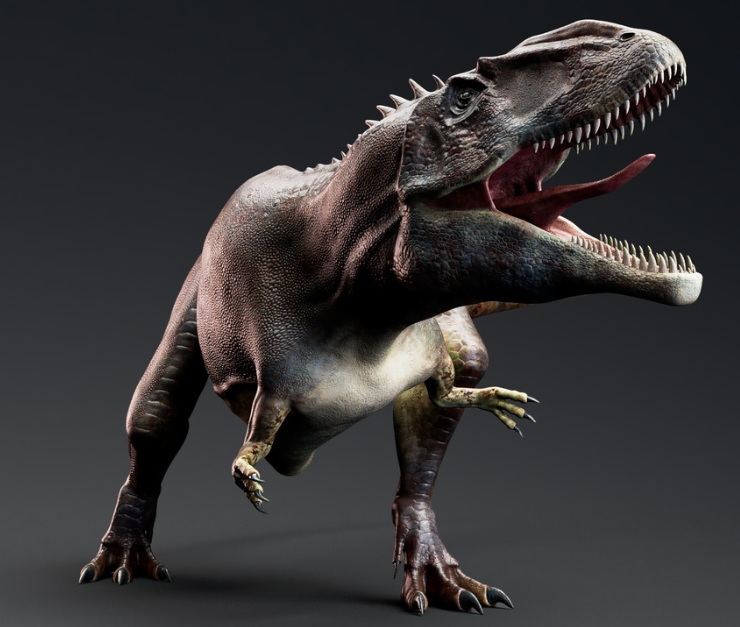
    Named for the tall neural spines along its back that supported a muscular ridge or sail. North America's largest Early Cretaceous predator, with powerful forelimbs ending in massive claws used to grapple large sauropod prey. Trackway evidence suggests coordinated hunting.

  • Allosaurus
    Classification
    Theropoda · Allosauridae
    Temporal Range
    Late Jurassic (155–145 Ma)
    Length
    ~9.5 m (31 ft)
    Weight
    ~2.3 tonnes
    Habitat
    Semi-arid plains, North America

    The lion of the Jurassic. Allosaurus used its skull like a hatchet, striking downward with its upper jaw in a slashing bite. Biomechanical studies reveal a remarkably wide gape and reinforced skull designed for high-impact attacks against larger prey.

  • Ceratosaurus
    Classification
    Theropoda · Ceratosauridae
    Temporal Range
    Late Jurassic (153–148 Ma)
    Length
    ~6.0 m (20 ft)
    Weight
    ~750 kg
    Habitat
    Riparian zones, wetlands

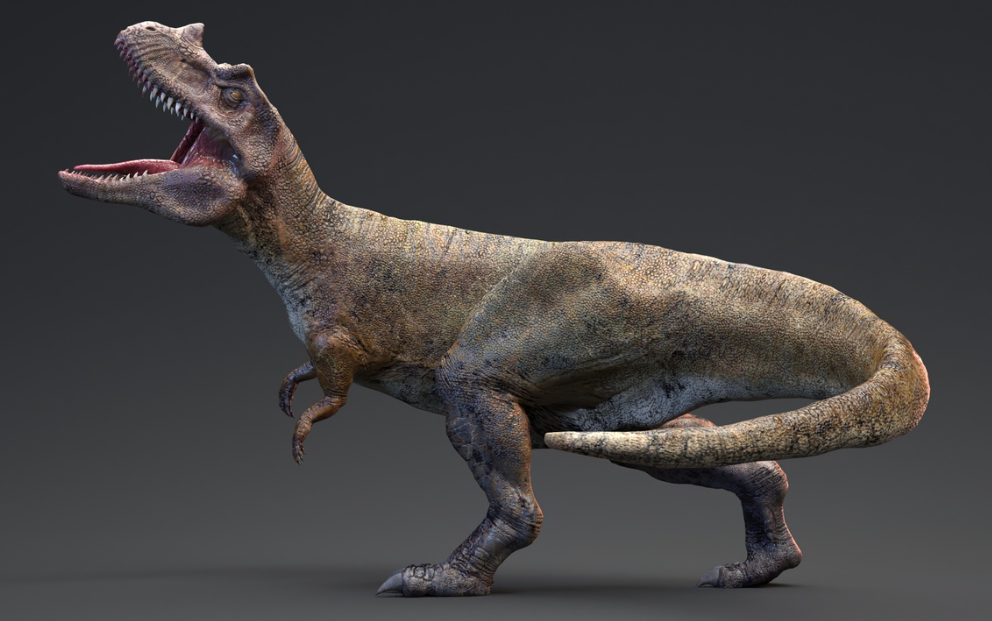
    Distinguished by its prominent nasal horn and blade-like teeth, Ceratosaurus was a versatile predator that favoured aquatic environments. Osteoderms along its back provided some armoured protection, unusual among theropods. Likely an opportunistic ambush hunter.

  • Dilophosaurus
    Classification
    Theropoda · Dilophosauridae
    Temporal Range
    Early Jurassic (193 Ma)
    Length
    ~7.0 m (23 ft)
    Weight
    ~400 kg
    Habitat
    Riverine environments

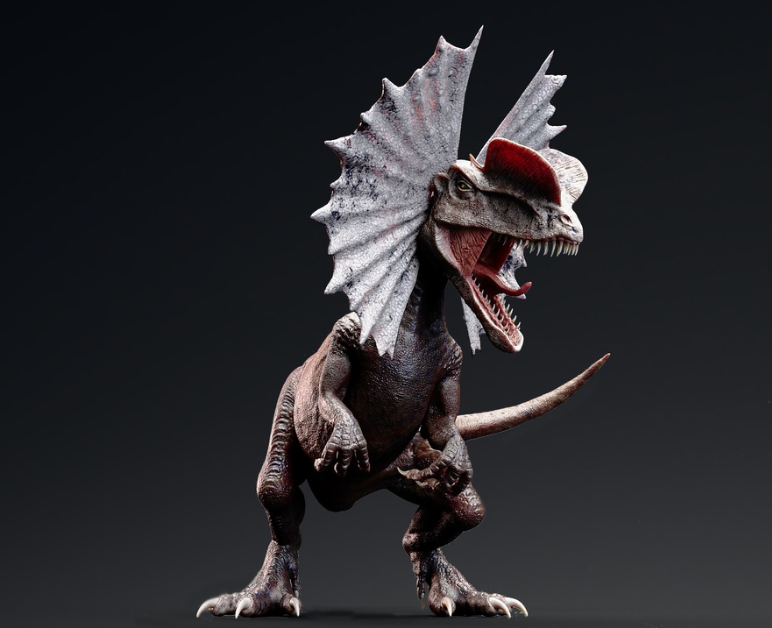
    The largest known Early Jurassic predator, crowned by twin parallel crests used for species recognition and display. Contrary to popular film depictions, it had no frill and did not spit venom. A swift, powerful predator with strong forelimbs and raking claws.

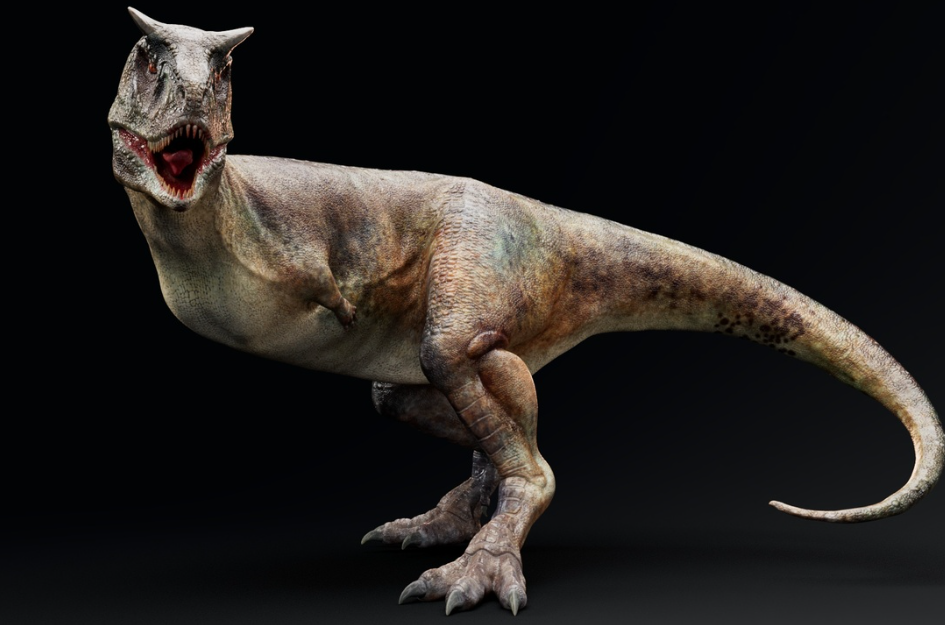
  • Carnotaurus
    Classification
    Theropoda · Abelisauridae
    Temporal Range
    Late Cretaceous (72–69 Ma)
    Length
    ~8.0 m (26 ft)
    Weight
    ~1.3 tonnes
    Habitat
    Semi-arid scrublands, South America

    The "meat-eating bull" bore thick horns above its eyes and had the most vestigial forelimbs of any large theropod. Biomechanical analysis suggests it was among the fastest large predators, reaching speeds up to 48 km/h. Built for high-speed pursuit and rapid head-strikes.

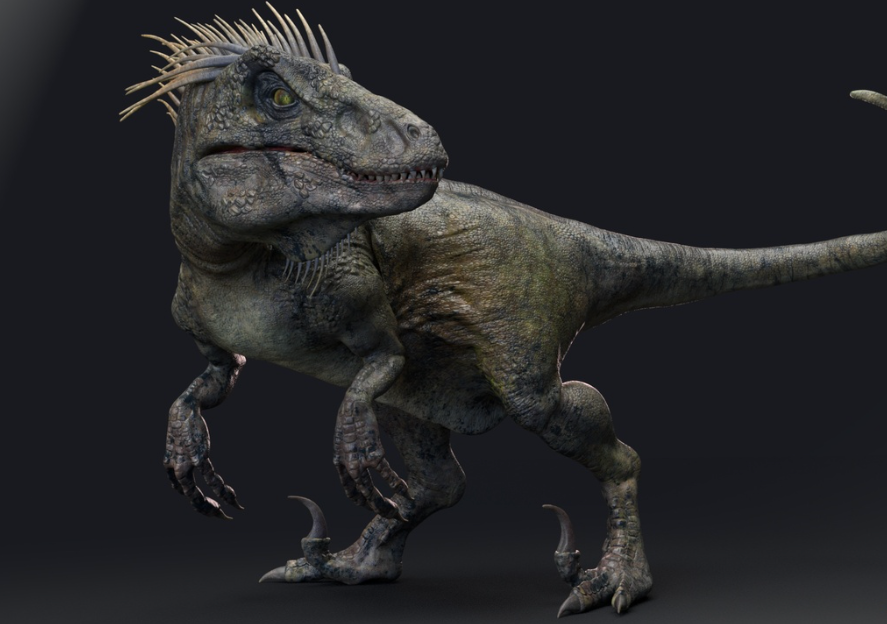
  • Utahraptor
    Classification
    Theropoda · Dromaeosauridae
    Temporal Range
    Early Cretaceous (139–134 Ma)
    Length
    ~5.5 m (18 ft)
    Weight
    ~500 kg
    Habitat
    Forests, floodplains

    The largest known dromaeosaurid, armed with a 22 cm sickle claw on each foot. Unlike its smaller relatives, Utahraptor was a heavyweight ambush predator. Fossil evidence of multiple individuals trapped together suggests pack behavior and coordinated hunting strategies.

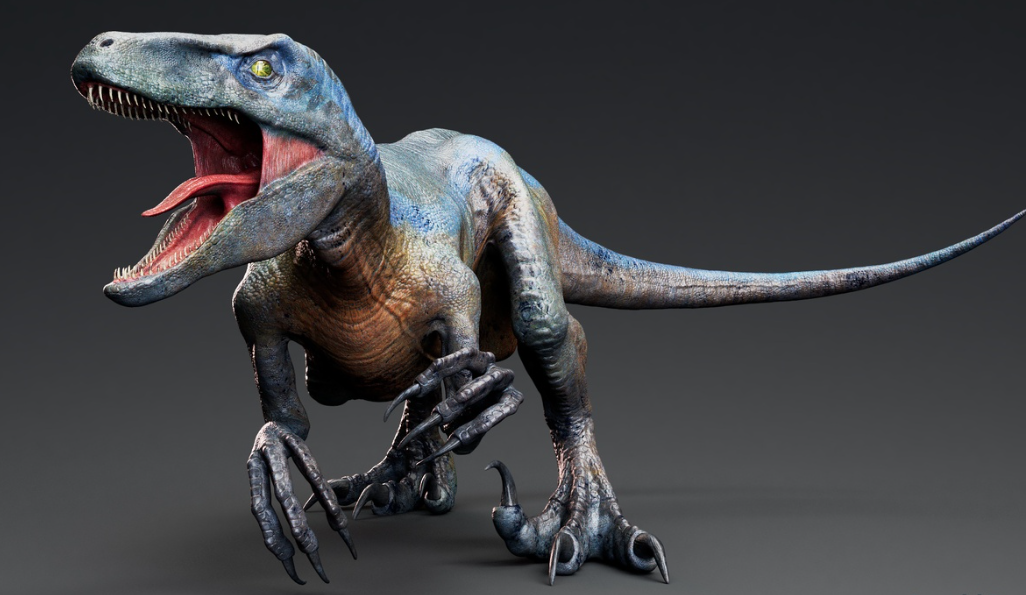
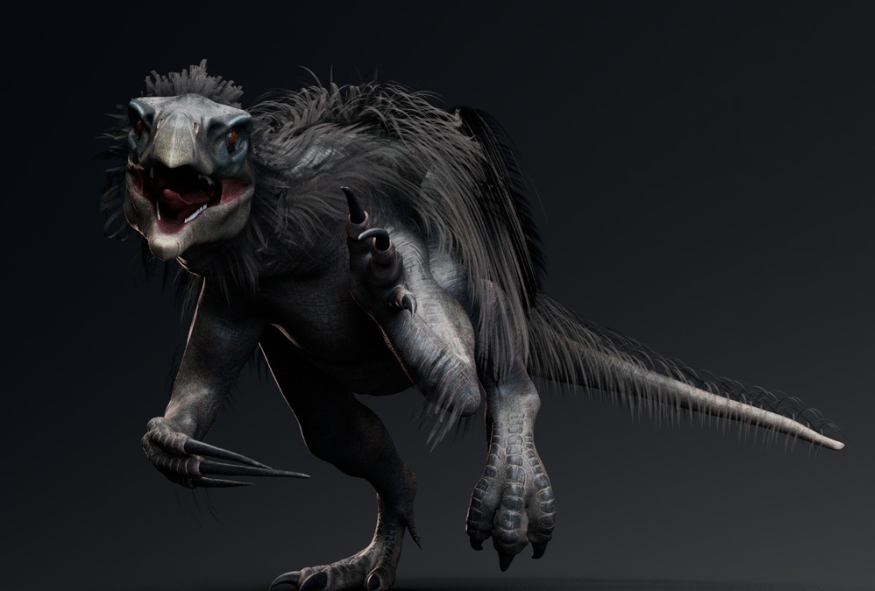
  • Velociraptor
    Classification
    Theropoda · Dromaeosauridae
    Temporal Range
    Late Cretaceous (75–71 Ma)
    Length
    ~2.0 m (6.5 ft)
    Weight
    ~15 kg
    Habitat
    Arid dune fields, Central Asia

    A small but ferocious feathered predator. The famous "Fighting Dinosaurs" fossil preserves a Velociraptor locked in combat with Protoceratops, its sickle claw embedded in the prey's throat. Quill knobs on its forearms confirm a full coat of pennaceous feathers.

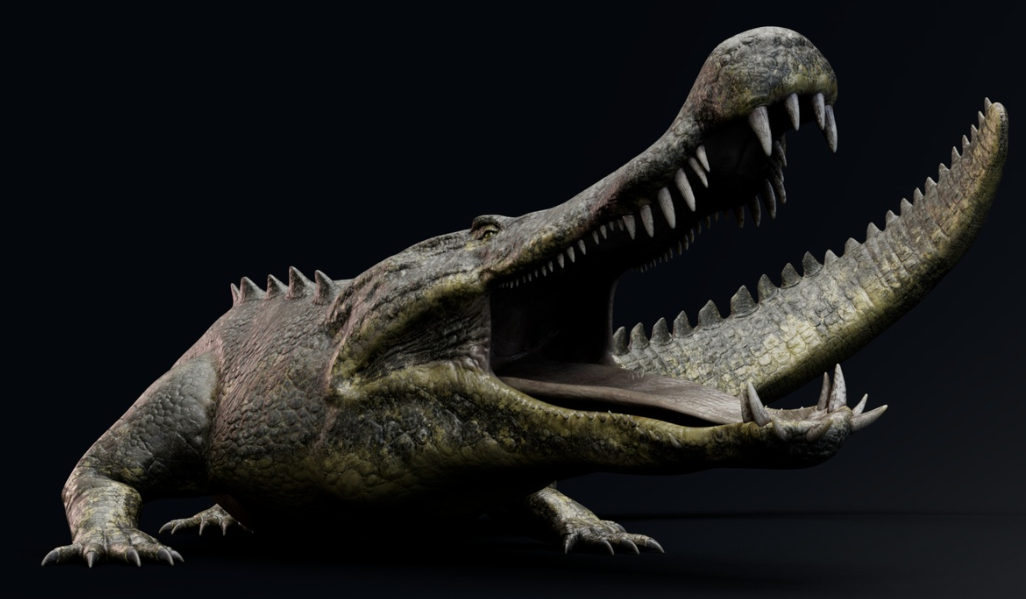
  • Deinosuchus
    Classification
    Crocodylia · Alligatoridae
    Temporal Range
    Late Cretaceous (82–73 Ma)
    Length
    ~10.6 m (35 ft)
    Weight
    ~8.5 tonnes
    Habitat
    Coastal estuaries, rivers

    The "terrible crocodile" was the largest crocodilian to ever live. Bite force estimates exceed that of T. rex. Fossil evidence shows it regularly preyed upon large dinosaurs, with tyrannosaur bones bearing Deinosuchus tooth marks found across North America.

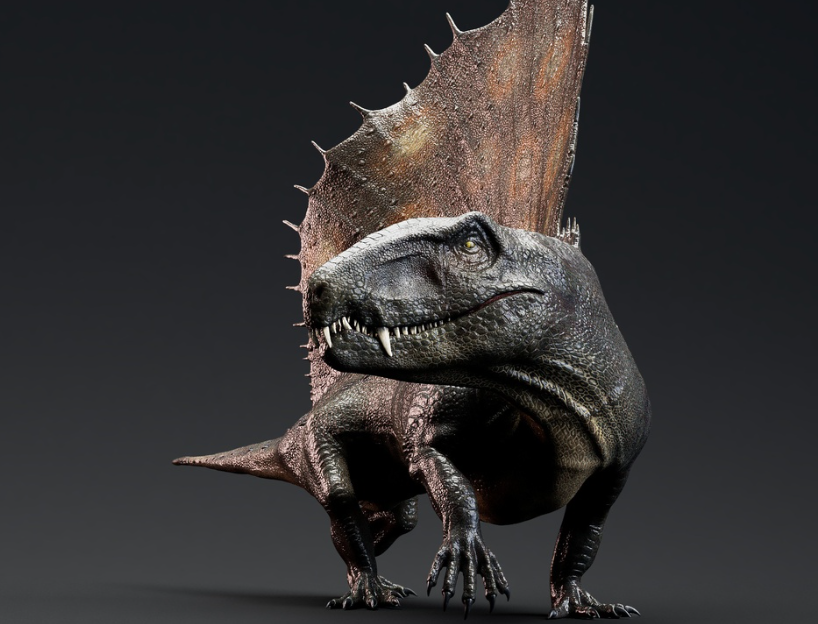
  • Dimetrodon
    Classification
    Synapsida · Sphenacodontidae
    Temporal Range
    Early Permian (295–272 Ma)
    Length
    ~3.5 m (11.5 ft)
    Weight
    ~250 kg
    Habitat
    Swamplands, lakeshores

    Not a dinosaur but a stem-mammal synapsid, and the apex predator of Permian ecosystems 40 million years before the first dinosaurs. Its iconic dorsal sail likely regulated body temperature. Possessed differentiated teeth—canines, incisors, and shearing teeth—a precursor to mammalian dentition.

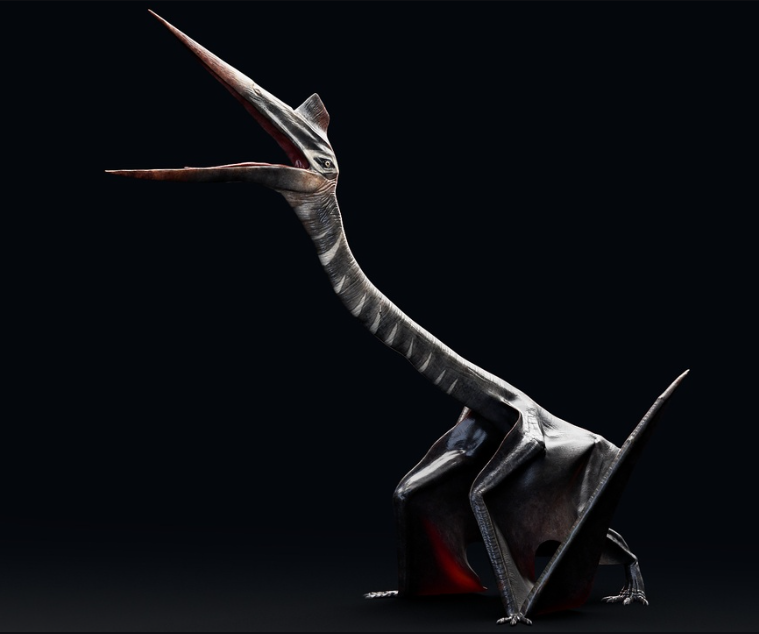
  • Quetzalcoatlus
    Classification
    Pterosauria · Azhdarchidae
    Temporal Range
    Late Cretaceous (68–66 Ma)
    Wingspan
    ~10.5 m (34 ft)
    Weight
    ~200–250 kg
    Habitat
    Inland plains, coasts

    The largest flying animal in Earth's history. Standing as tall as a giraffe on the ground, Quetzalcoatlus was a terrestrial stalker that hunted small dinosaurs and mammals on foot, launching into soaring flight using powerful forelimb vaulting. Named after the Aztec feathered serpent god.

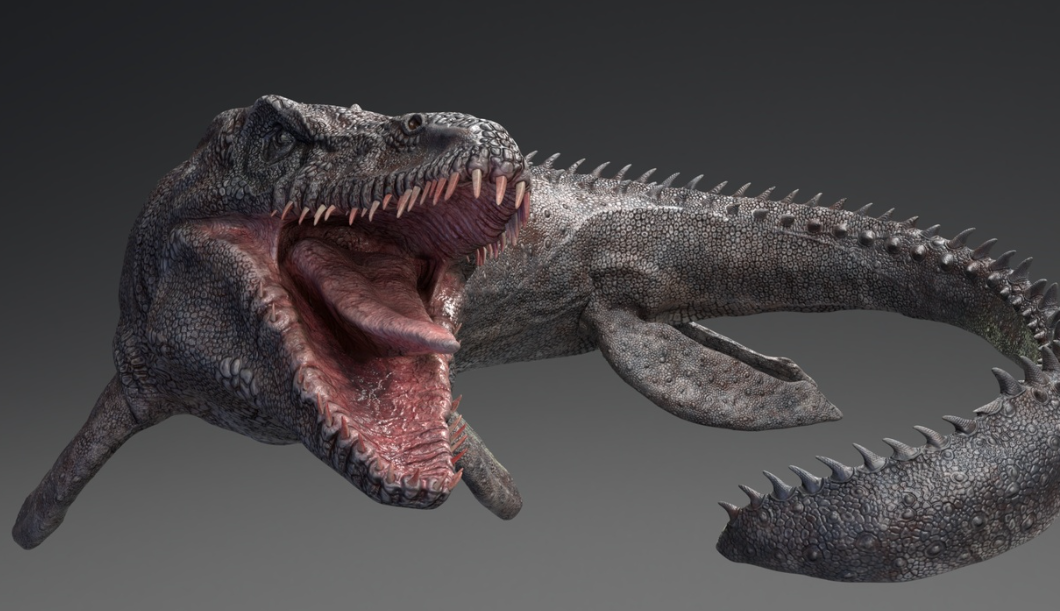
  • Mosasaurus
    Classification
    Squamata · Mosasauridae
    Temporal Range
    Late Cretaceous (70–66 Ma)
    Length
    ~13.0 m (43 ft)
    Weight
    ~15 tonnes
    Habitat
    Open ocean, coastal seas

    The apex predator of Late Cretaceous oceans. A massive marine lizard with double-hinged jaws that allowed it to swallow large prey whole, similar to modern snakes. Possessed a secondary row of pterygoid teeth on the palate for gripping struggling prey.

  • Tylosaurus
    Classification
    Squamata · Mosasauridae
    Temporal Range
    Late Cretaceous (85–80 Ma)
    Length
    ~12.0 m (39 ft)
    Weight
    ~7.0 tonnes
    Habitat
    Western Interior Seaway

    One of the earliest and most formidable mosasaurs. Tylosaurus possessed a solid, bony snout used as a battering ram to stun prey and rivals. Stomach contents reveal an incredibly varied diet including sharks, plesiosaurs, smaller mosasaurs, sea birds, and ammonites.

  • Dakosaurus
    Classification
    Thalattosuchia · Metriorhynchidae
    Temporal Range
    Late Jurassic (157–137 Ma)
    Length
    ~5.0 m (16 ft)
    Weight
    ~800 kg
    Habitat
    Open ocean

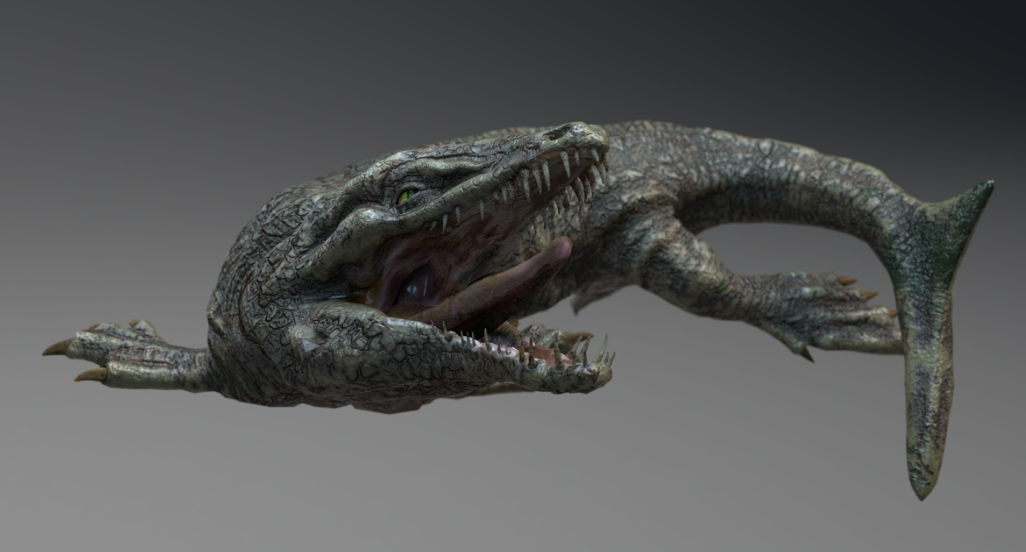
    A fully marine crocodylomorph nicknamed "Godzilla" for its massive, T. rex-like skull. Unlike its crocodilian relatives, Dakosaurus had a short, deep snout with serrated teeth adapted for tearing flesh. Its limbs were fully converted to flippers and it possessed a fish-like tail fluke.

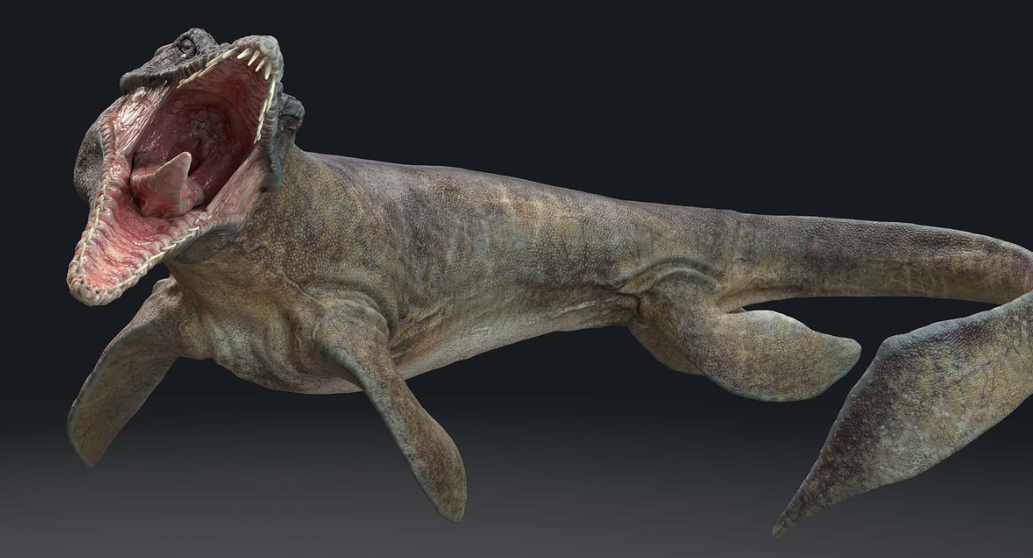
  • Pliosaurus
    Classification
    Plesiosauria · Pliosauridae
    Temporal Range
    Late Jurassic (155–145 Ma)
    Length
    ~10–13 m (33–43 ft)
    Weight
    ~12 tonnes
    Habitat
    Open ocean, Arctic seas

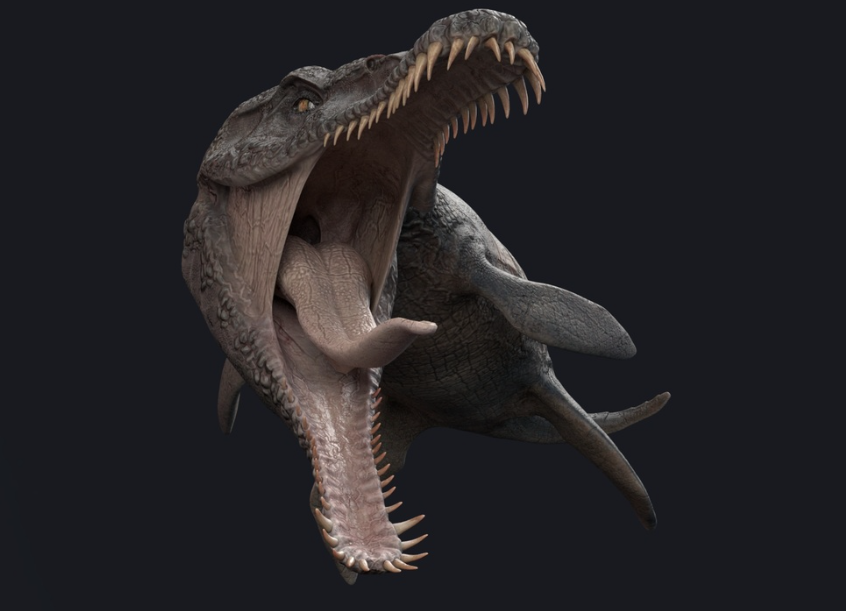
    Known as "Predator X" before formal classification. One of the most powerful marine predators ever, with an estimated bite force four times that of T. rex. Its four massive flippers provided devastating acceleration for ambushing prey from below in cold, dark Arctic waters.

  • Triceratops
    Classification
    Ceratopsia · Ceratopsidae
    Temporal Range
    Late Cretaceous (68–66 Ma)
    Length
    ~9 m (30 ft)
    Weight
    ~6.5 tonnes
    Habitat
    Open woodlands, plains

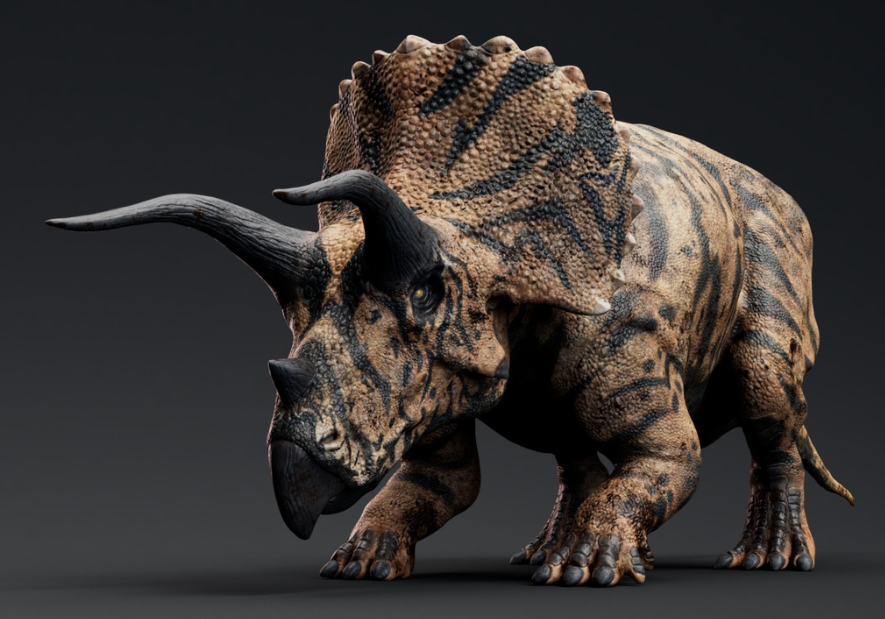
    Three-horned face with massive parietal frill. The frill contained extensive vascular channels suggesting it was used for thermoregulation and display. Possessed a parrot-like beak backed by hundreds of stacked dental batteries designed for shearing tough vegetation.

  • Brachiosaurus
    Classification
    Sauropoda · Brachiosauridae
    Temporal Range
    Late Jurassic (154–150 Ma)
    Length
    ~22 m (72 ft)
    Weight
    ~56 tonnes
    Habitat
    Gallery forests, floodplains

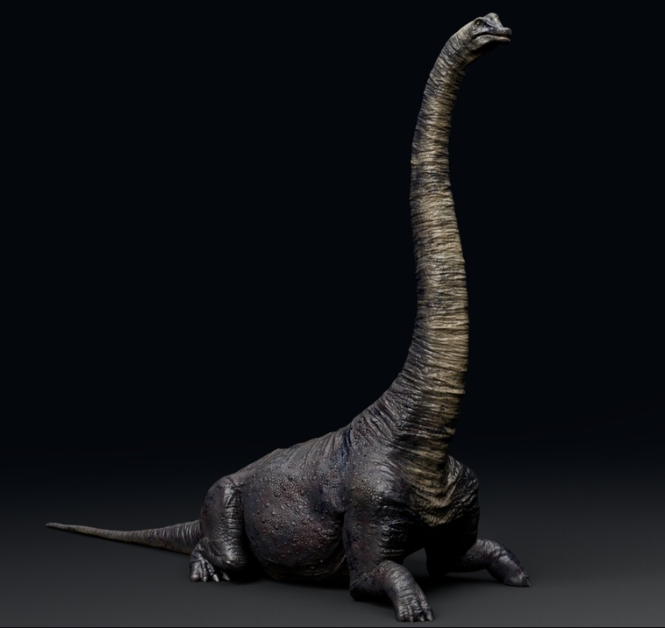
    One of the tallest dinosaurs, with forelimbs longer than hindlimbs giving it a distinctive giraffe-like posture. Its elevated head position allowed it to browse treetops up to 13 meters high. Nasal openings atop the skull suggest enhanced olfactory capabilities.

  • Ankylosaurus
    Classification
    Thyreophora · Ankylosauridae
    Temporal Range
    Late Cretaceous (68–66 Ma)
    Length
    ~6.25 m (20 ft)
    Weight
    ~6 tonnes
    Habitat
    Forested lowlands

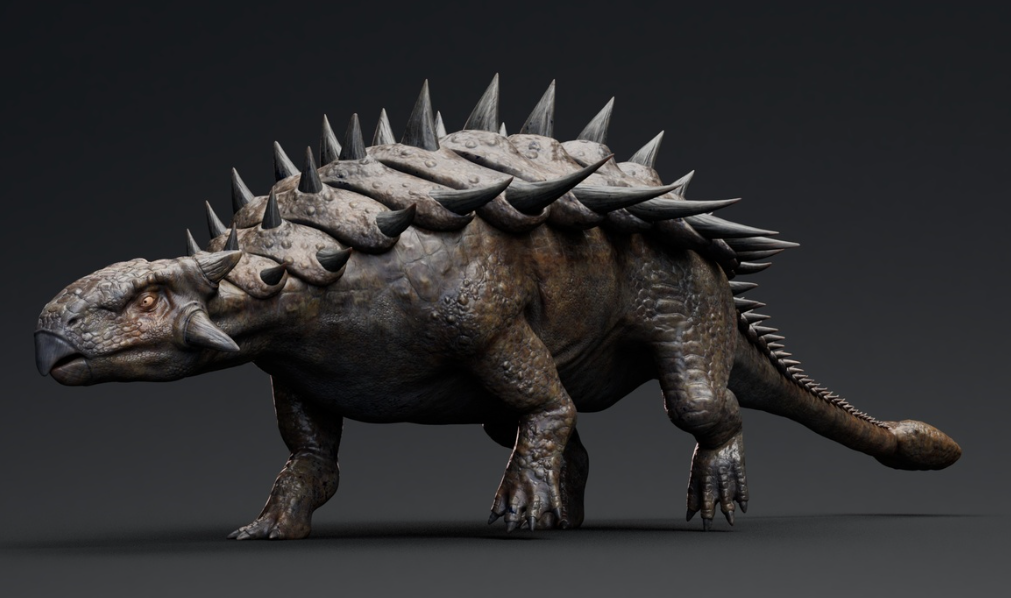
    The most heavily armoured dinosaur ever discovered. Fused bony osteoderms covered its entire dorsal surface, and a massive tail club composed of fused vertebrae could swing with enough force to shatter tyrannosaur leg bones.

  • Stegosaurus
    Classification
    Thyreophora · Stegosauridae
    Temporal Range
    Late Jurassic (155–150 Ma)
    Length
    ~9 m (30 ft)
    Weight
    ~5.3 tonnes
    Habitat
    Riparian zones

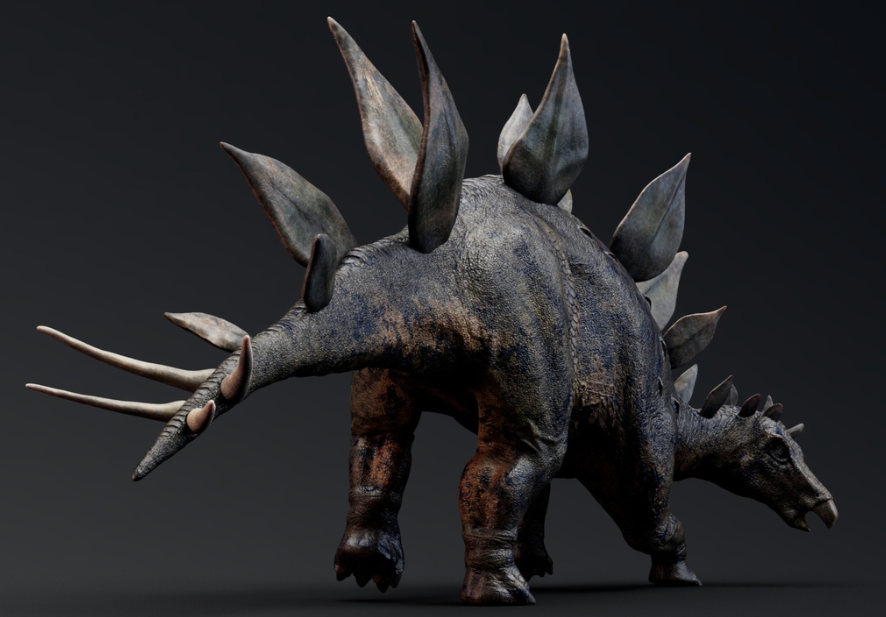
    Iconic double row of dorsal plates served as thermoregulatory structures rich in blood vessels. Its thagomizer (four tail spikes) was a lethal defensive weapon. Possessed the smallest brain-to-body ratio of any dinosaur.

  • Parasaurolophus
    Classification
    Ornithopoda · Hadrosauridae
    Temporal Range
    Late Cretaceous (76.5–73 Ma)
    Length
    ~9.5 m (31 ft)
    Weight
    ~2.5 tonnes
    Habitat
    Coastal floodplains

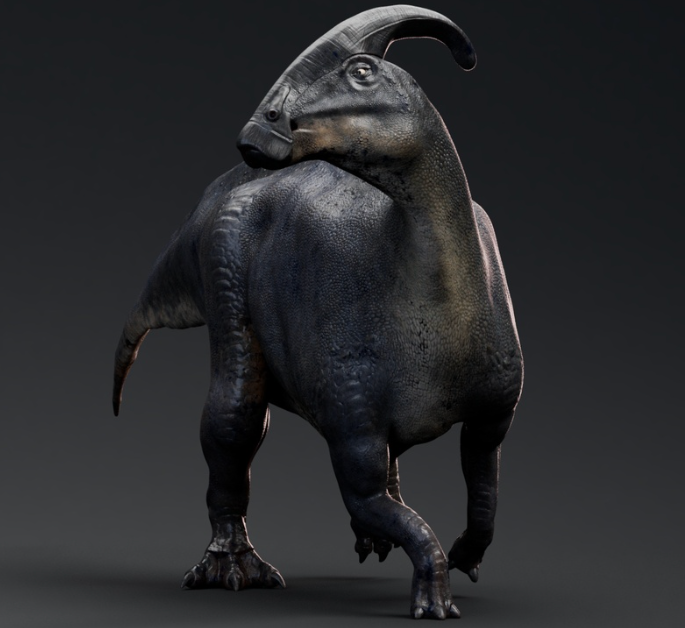
    Its hollow cranial crest contained looping nasal passages that functioned as a resonating chamber, producing deep, far-carrying calls. CT scans reveal the crest could generate frequencies between 48–240 Hz, audible over several kilometers.

  • Shantungosaurus
    Classification
    Ornithopoda · Hadrosauridae
    Temporal Range
    Late Cretaceous (73–65 Ma)
    Length
    ~16.6 m (54 ft)
    Weight
    ~16 tonnes
    Habitat
    River deltas, Asia

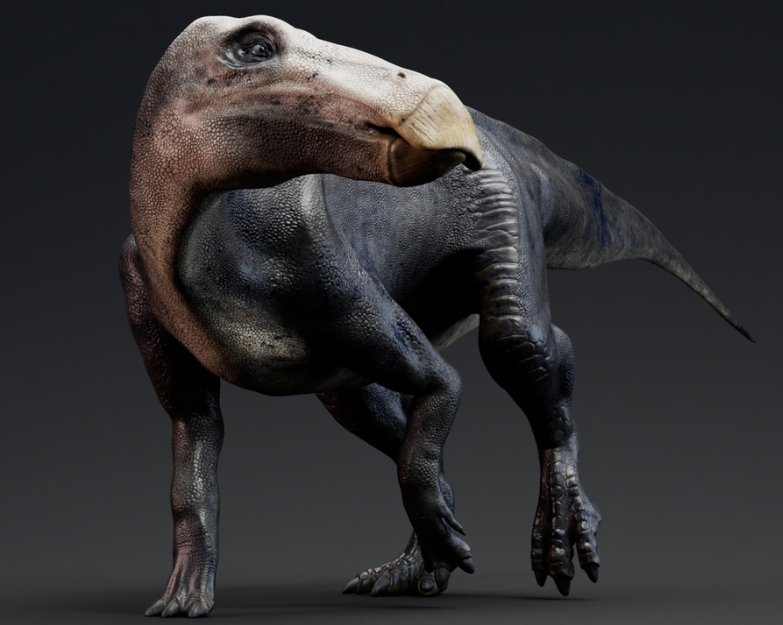
    The largest known ornithischian dinosaur. So massive that it likely had few natural predators in adulthood. Its jaw contained over 1,500 tiny teeth organized into dental batteries for processing vast quantities of plant material.

  • Maiasaura
    Classification
    Ornithopoda · Hadrosauridae
    Temporal Range
    Late Cretaceous (80–75 Ma)
    Length
    ~9 m (30 ft)
    Weight
    ~3 tonnes
    Habitat
    Inland nesting grounds

    The “good mother lizard” was the first dinosaur found with evidence of parental care. Nesting colonies containing thousands of individuals suggest complex social structures. Juveniles remained in the nest until reaching roughly half adult size.

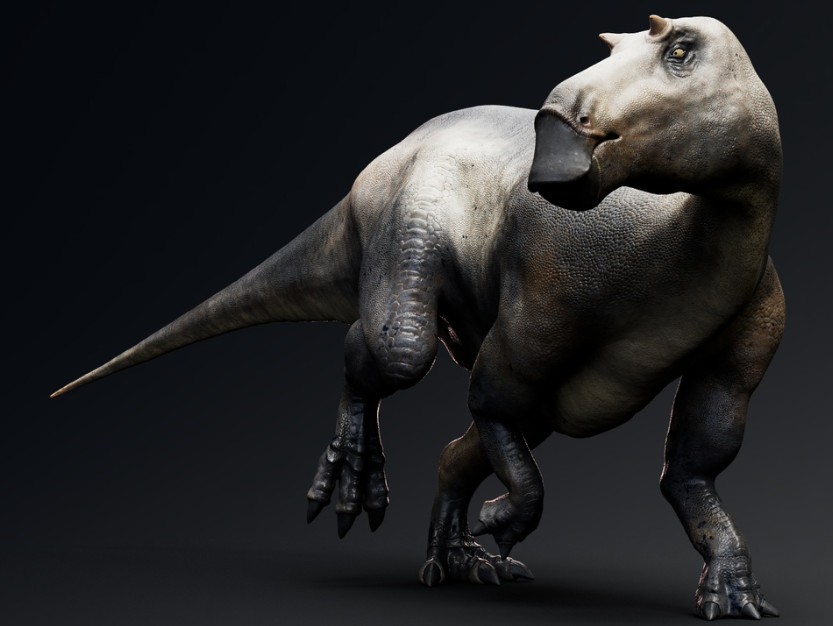
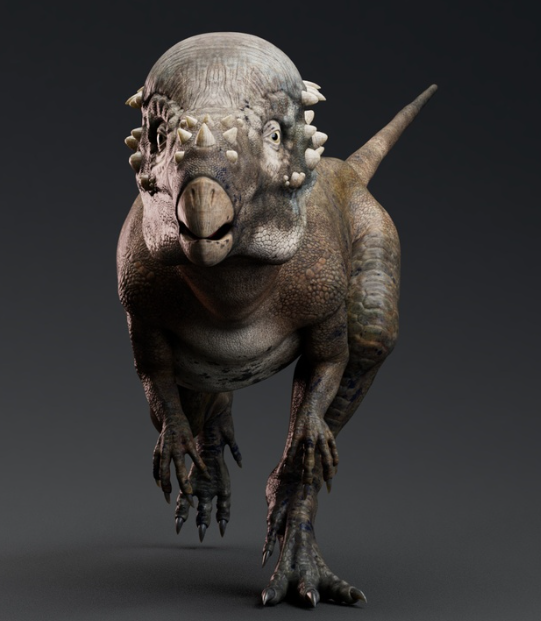
  • Pachycephalosaurus
    Classification
    Marginocephalia · Pachycephalosauridae
    Temporal Range
    Late Cretaceous (70–66 Ma)
    Length
    ~4.5 m (15 ft)
    Weight
    ~450 kg
    Habitat
    Upland forests

    Possessed a dome of solid bone up to 25 cm thick crowning its skull. Originally thought to be used for head-butting combat, recent studies suggest the dome’s flat contact surface was better suited for flank-butting rivals. The dome was ringed with bony nodes and spikes.

  • Spinosaurus
    Classification
    Theropoda · Spinosauridae
    Temporal Range
    Late Cretaceous (99–93.5 Ma)
    Length
    ~14 m (46 ft)
    Weight
    ~7.4 tonnes
    Habitat
    River systems, coastal mangroves

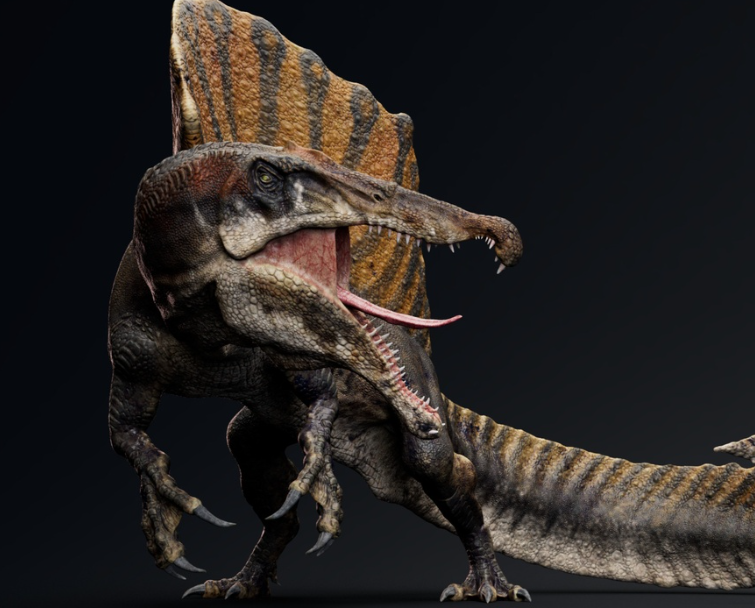
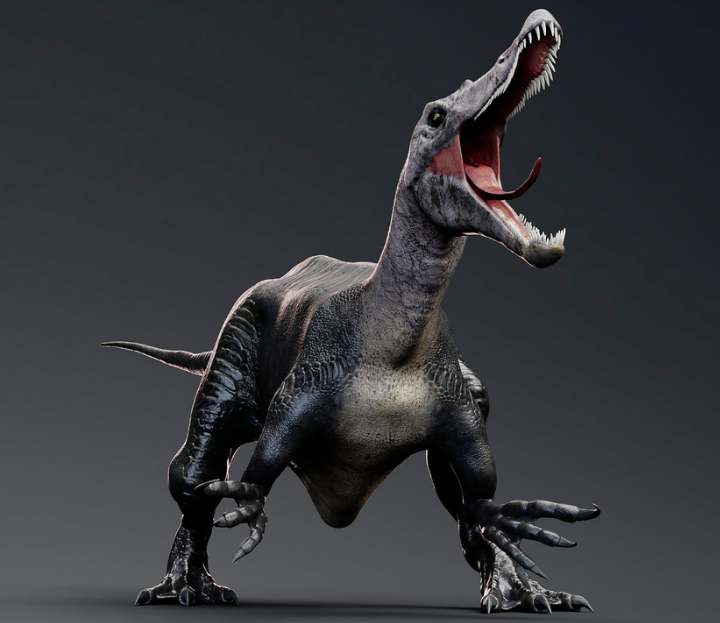
    The largest known theropod and the first confirmed semi-aquatic dinosaur. Its tall dorsal sail, paddle-like tail, and dense bones for ballast enabled aquatic pursuit of large fish. Conical teeth and crocodile-like snout were optimized for catching slippery prey.

  • Suchomimus
    Classification
    Theropoda · Spinosauridae
    Temporal Range
    Early Cretaceous (125–112 Ma)
    Length
    ~11 m (36 ft)
    Weight
    ~3.8 tonnes
    Habitat
    Riverine floodplains, Africa

    The “crocodile mimic” had a long, narrow snout lined with over 120 conical teeth and a hooked thumb claw for snagging fish. A low dorsal sail along its back suggests display or thermoregulatory function. Primarily a wading fisher.

  • Baryonyx
    Classification
    Theropoda · Spinosauridae
    Temporal Range
    Early Cretaceous (130–125 Ma)
    Length
    ~7.5 m (25 ft)
    Weight
    ~1.7 tonnes
    Habitat
    Lakeshores, rivers, Europe

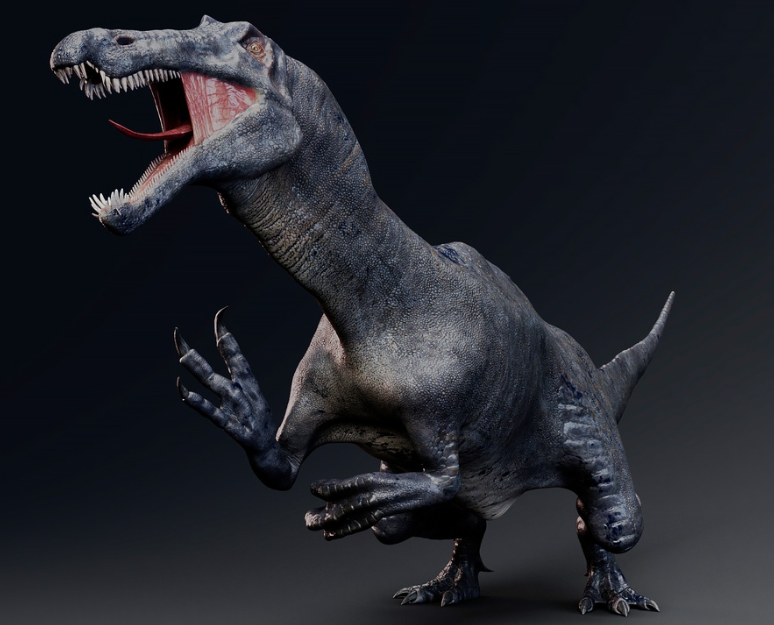
    Named “heavy claw” for its 31 cm thumb claw used to hook fish from the water. The first spinosaurid discovered with direct evidence of piscivory: fossilized fish scales were found in its stomach cavity alongside partially digested bones of a juvenile Iguanodon.

  • Tropeognathus
    Classification
    Pterosauria · Ornithocheiridae
    Temporal Range
    Early Cretaceous (110 Ma)
    Length
    Wingspan ~8.2 m (27 ft)
    Weight
    ~20 kg
    Habitat
    Coastal cliffs, open ocean

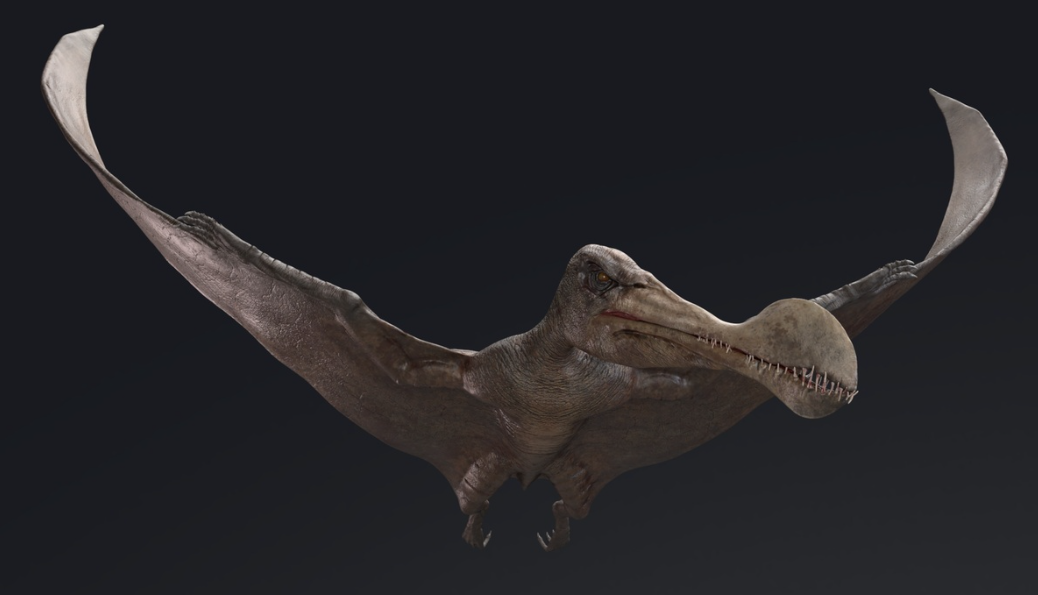
    One of the largest pterosaurs of the Cretaceous, distinguished by keeled crests on both upper and lower jaws that sliced through water during surface-skimming fish catches. Its elongated fourth finger supported a membranous wing optimized for soaring over vast ocean distances.

  • Megalodon
    Classification
    Lamniformes · Otodontidae
    Temporal Range
    Miocene–Pliocene (23–3.6 Ma)
    Length
    ~15 m (50 ft)
    Weight
    ~50 tonnes
    Habitat
    Temperate to tropical oceans

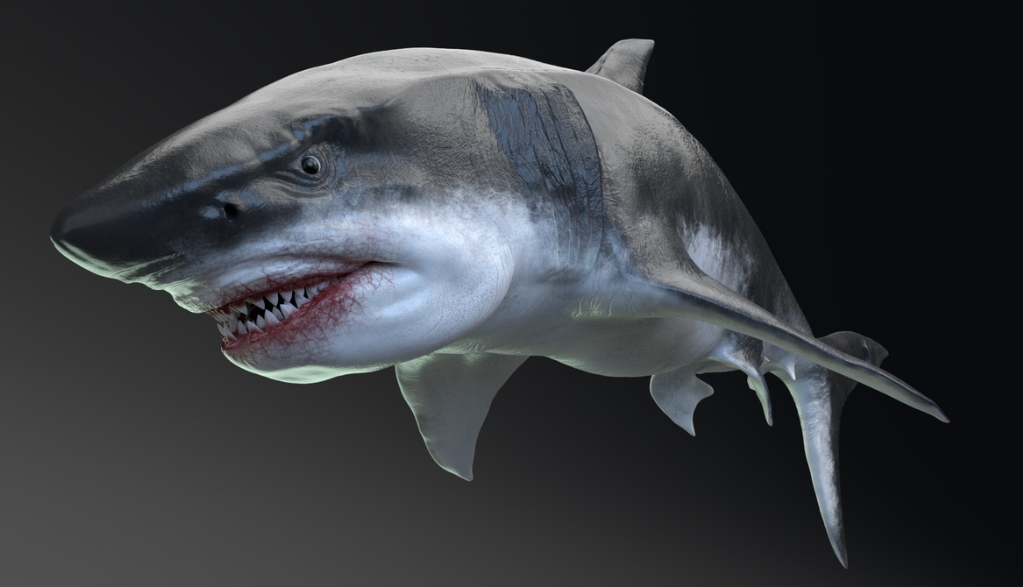
    The largest predatory shark in history. Possessed 276 serrated teeth spanning up to 18 cm, arranged in five rows. Bite force estimates exceed 180,000 newtons. Hunted whales and other large marine mammals. Its extinction coincided with the rise of modern great whites and cooling ocean temperatures.

  • Styxosaurus
    Classification
    Plesiosauria · Elasmosauridae
    Temporal Range
    Late Cretaceous (85–80 Ma)
    Length
    ~11 m (36 ft)
    Weight
    ~3 tonnes
    Habitat
    Western Interior Seaway

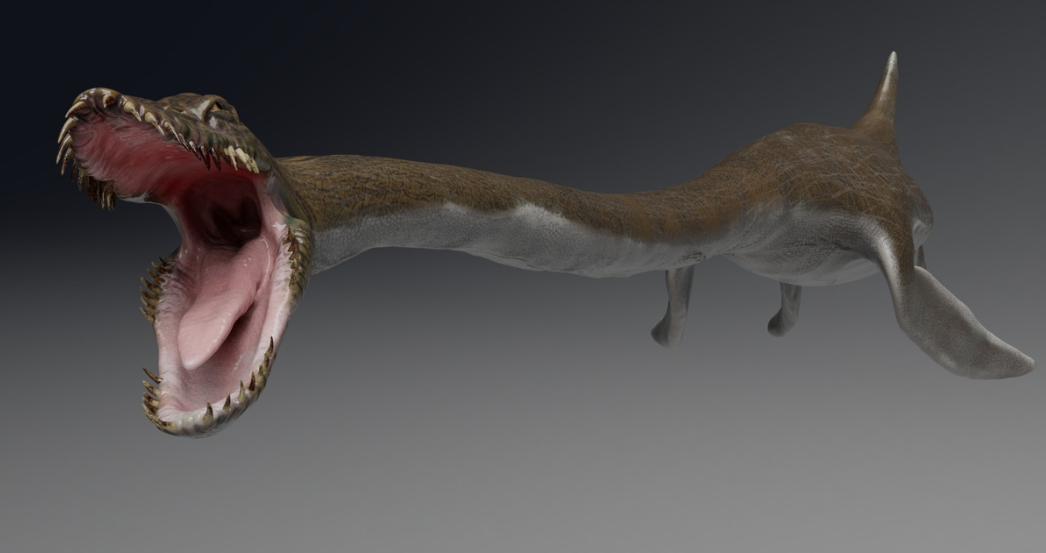
    A long-necked plesiosaur with a neck containing up to 62 vertebrae, comprising more than half its total body length. Used its extremely flexible neck to ambush schools of fish from below. Small skull and numerous sharp teeth were adapted for snapping up small, fast-moving prey.

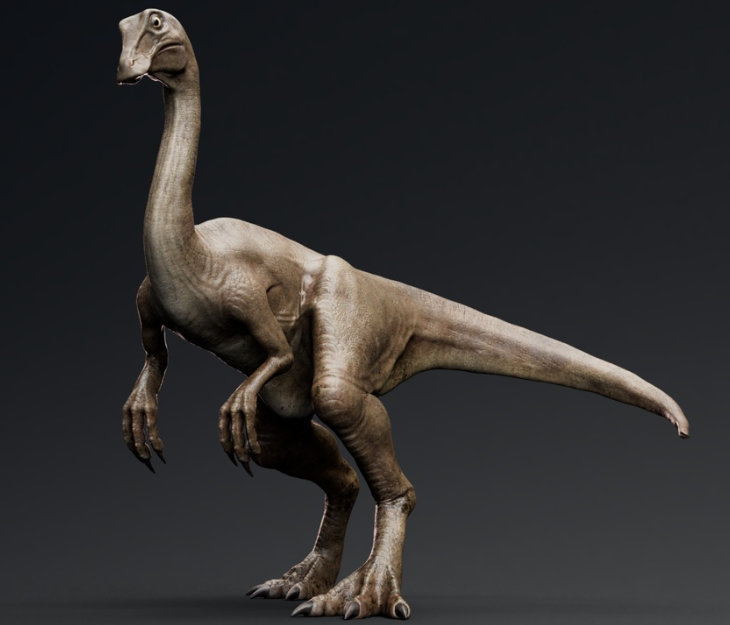
  • Gallimimus
    Classification
    Theropoda · Ornithomimidae
    Temporal Range
    Late Cretaceous (70 Ma)
    Length
    ~6 m (20 ft)
    Weight
    ~440 kg
    Habitat
    Open plains, Mongolia

    The “chicken mimic” was one of the fastest dinosaurs, reaching estimated speeds of 56 km/h. Its toothless beak and large eyes suggest an omnivorous diet of seeds, insects, and small vertebrates. Lamellae inside the beak may have functioned as a filter-feeding apparatus similar to modern ducks.

  • Therizinosaurus
    Classification
    Theropoda · Therizinosauridae
    Temporal Range
    Late Cretaceous (70 Ma)
    Length
    ~10 m (33 ft)
    Weight
    ~5 tonnes
    Habitat
    Forests, wetlands, Mongolia

    Possessed the longest claws of any known animal at up to 1 meter in length. Despite being a theropod, it evolved toward herbivory with a wide, barrel-shaped torso for fermenting plant matter. The enormous claws were likely used for pulling down branches and defensive slashing.

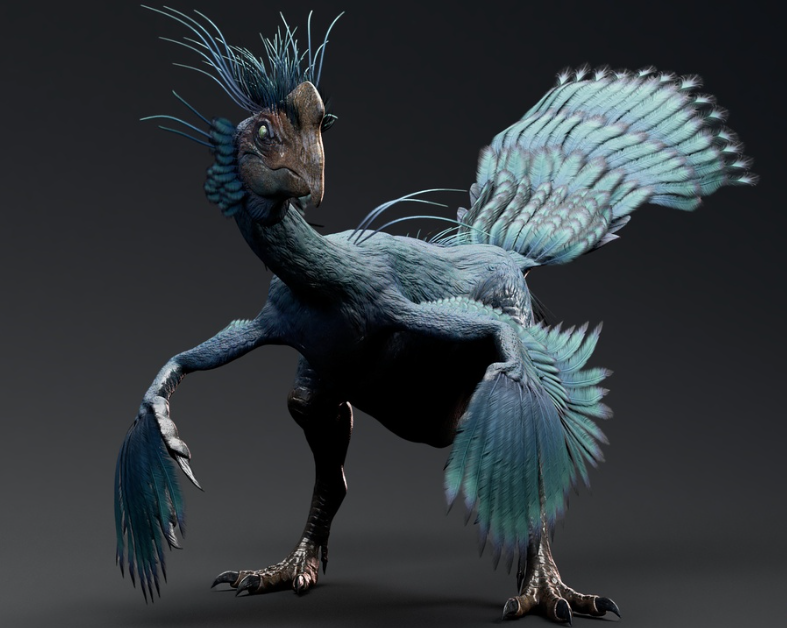
  • Gigantoraptor
    Classification
    Theropoda · Oviraptoridae
    Temporal Range
    Late Cretaceous (70 Ma)
    Length
    ~8 m (26 ft)
    Weight
    ~2 tonnes
    Habitat
    Semi-arid plains, Inner Mongolia

    The largest known oviraptorosaur, Gigantoraptor defied expectations by being 35 times heavier than its closest relatives. Discovered in 2005 in the Iren Dabasu Formation of China, this towering beaked theropod likely had a diet of plants, eggs, and small animals. Despite its massive size, its long legs and lightweight build suggest surprising speed and agility for an animal of its proportions.

Insectivore species coming soon.

Explore the Last Age

A vast landscape modeled on Maastrichtian Laramidia, where every biome presents unique challenges and opportunities.

Dense Forests

Coniferous and broadleaf canopies provide cover and abundant plant biomass. Ideal for ambush predators and nesting herbivores.

Wetlands & Rivers

Rich in fish, amphibians, and invertebrates. Essential hydration corridors but rife with parasites and ambush hazards.

Floodplains

Fertile open landscapes with seasonal flooding and the highest herbivore density. Migration highways for massive herds.

Volcanic Highlands

Active volcanic slopes with fertile soil but extreme hazards. Eruptions, toxic gases, and ash fall test the hardiest survivors.

Coastal Zones

Shorelines supporting marine reptiles, fish shoals, and nesting grounds. Exposed to storms, tidal surges, and open-water predators.

Build Progress

Track development progress in real-time. All data loaded from the latest build metrics.

--

Build Version

--

Species

--

Lines of C++

--

Content Assets

--

Days in Dev

Milestones Completed

Last updated: --

Server Status

Real-time status of Ashborn game servers. Auto-refreshes every 30 seconds.

Community & Updates

Follow development, share feedback, and connect with fellow survivors.

Support Ashborn

Help us bring the Last Age to life. Every contribution directly fuels development and keeps the project alive.

Become a Patron

Ashborn is built by a small passionate team. Your support on Patreon helps cover development costs, server hosting, and allows us to dedicate more time to making this game the best it can be.

  • Early access to development builds
  • Exclusive behind-the-scenes content
  • Your name in the credits
  • Vote on upcoming features & species
Support on Patreon

Frequently Asked Questions

Everything you need to know about Ashborn and the world of the Last Age.

Ashborn is a multiplayer dinosaur survival simulation set in a scientifically grounded Late Cretaceous world. Developed by PER AEVUM using Unreal Engine 5, it focuses on paleobiologically accurate gameplay where you grow from a fragile hatchling to a scarred elder across a persistent, living ecosystem.

Ashborn is currently in pre-alpha development. We have not announced an official release date yet. Follow our Discord and social channels for the latest development updates and milestone announcements.

Our primary target platform is PC (Windows) via Steam. Console support may be explored after the PC release, but no console versions have been confirmed at this time.

Yes. Ashborn is designed as a server-authoritative multiplayer experience. Players share a persistent world where the ecosystem, herd dynamics, and environmental events affect everyone. The server browser is already functional in our current build.

We are considering an Early Access launch on Steam once we reach a stable playable build. This would allow the community to provide feedback and help shape development. Join our Discord or Patreon for early announcements.

Absolutely not. Ashborn is built on the principle that survival is earned through skill, knowledge, and cooperation. There are no purchasable gameplay advantages. Any future cosmetic options will be purely aesthetic and will not affect gameplay balance.

Join our Discord server for the most active community discussion, development updates, and feedback channels. You can also follow us on X/Twitter for announcements, support development on Patreon, and subscribe to our YouTube for devlogs.

Official system requirements have not been finalized. As an Unreal Engine 5 title with detailed ecosystem simulation, we recommend a modern dedicated GPU (RTX 2060 or equivalent minimum) and 16GB of RAM. Final specs will be published closer to release.